


When comparing wood vs vinyl fencing, there is no one-size-fits-all answer. Both materials offer unique advantages, and the best choice depends on your budget, maintenance preferences, property style, and long-term goals. Whether you're a homeowner looking for more privacy, a business owner improving security, or a property manager upgrading curb appeal, understanding the differences can help you make a smart investment.
What are the biggest differences between wood and vinyl fencing?
The main difference is maintenance and appearance. Wood fencing provides a traditional, natural look that many homeowners love. It can be stained or painted in various colors and styles, making it highly customizable.
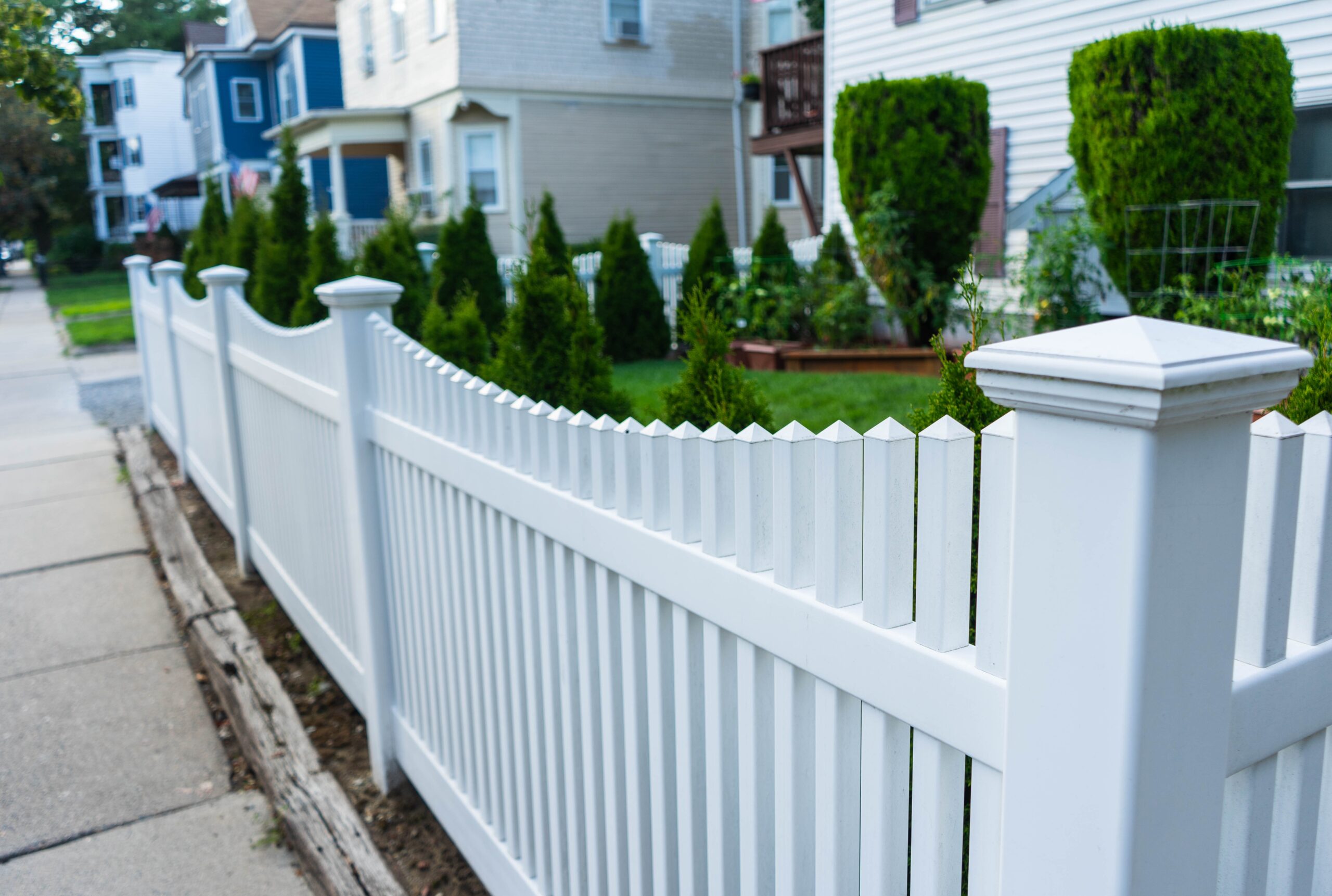
Vinyl fencing, on the other hand, is designed for durability and low maintenance. It resists moisture, insects, and rot without requiring regular staining or painting. If you're looking for a fence that stays attractive with minimal upkeep, vinyl is often an excellent choice.
To explore professional installation options for both materials, visit Residential Fencing.
Which option is more affordable?
Wood fencing generally has a lower upfront cost than vinyl. This makes it appealing for homeowners who want a quality fence while staying within a specific budget.
However, when comparing wood vs vinyl fencing over the long term, vinyl may become more cost-effective because it requires fewer repairs and less maintenance. Wood fences typically need occasional staining, sealing, or replacement of damaged boards, while vinyl usually requires little more than an occasional cleaning.
Considering both the installation cost and future maintenance expenses can help you determine which option provides the best overall value.
Which fence lasts longer?
Vinyl fencing typically has the advantage when it comes to longevity. It is manufactured to withstand rain, sunlight, humidity, and insects without warping or rotting.
Wood fences can also last for many years when properly maintained, but they are more susceptible to weather damage if routine care is neglected. Regular inspections and preventative maintenance help maximize the lifespan of any fencing material.
Which material looks better?
Appearance is largely a matter of personal preference. Many homeowners appreciate the warmth and character of natural wood. It complements traditional homes, rustic landscapes, and many outdoor living spaces.
Vinyl fencing offers a clean, polished appearance that remains consistent over time. Because it doesn't require repainting or staining, many property owners appreciate its ability to maintain its original look for years.
The best choice often depends on your home's architecture, landscaping, and personal style.
Is maintenance an important factor?
Yes. Maintenance is often one of the deciding factors when comparing wood vs vinyl fencing.
Wood fences should be inspected regularly for signs of weather damage, loose boards, or insect activity. Staining or sealing every few years helps protect the wood and preserve its appearance.
Vinyl fencing requires significantly less maintenance. Washing the fence periodically with soap and water is usually enough to keep it looking clean and attractive.
For helpful information about fencing standards and materials, the American Fence Association offers educational resources for both homeowners and industry professionals.
What should you do before installing a new fence?
Before installation begins, it's important to verify property boundaries and locate underground utilities. Contacting NC 811 before digging helps prevent accidental damage to buried utility lines and keeps everyone involved in the project safe.
Working with experienced fencing professionals also helps ensure your fence is properly installed and complies with local regulations.
Which fencing material is right for you?
The answer depends on your priorities. If you value natural beauty, customization, and lower upfront costs, wood may be the better choice. If you prefer long-term durability, minimal maintenance, and lasting curb appeal, vinyl is often the ideal solution.
When evaluating wood vs vinyl fencing, consider not only today's budget but also future maintenance, appearance, and longevity. With the right materials and professional installation, either option can enhance your property's value, security, and overall appearance for many years to come.
