



A damaged fence does not always need full replacement. A loose board, worn latch, or bent section may call for a simple repair. Yet widespread rot, leaning posts, or repeated gate trouble can point to a larger problem.
The right choice depends on the fence’s age, material, and role on the property. A fence professional can inspect the system, explain the options, and help the owner compare short-term cost with long-term value.
Repair makes sense when the fence is sound; replacement is often wiser when damage affects strength, safety, or daily use.
When is fence repair the right choice?
Repair may be practical when damage is limited to a small area. A few broken pickets can often be replaced. Loose hardware may be tightened, while a worn gate latch can be swapped out.
The rest of the fence should still be firm and aligned. Posts should not shift under light pressure, and the material around the damaged area should remain in good shape.
For commercial fencing, quick repair can help restore security around a loading zone or storage area. Homeowners may repair a small section to keep pets inside or improve the yard’s appearance.
What signs point to full fence replacement?
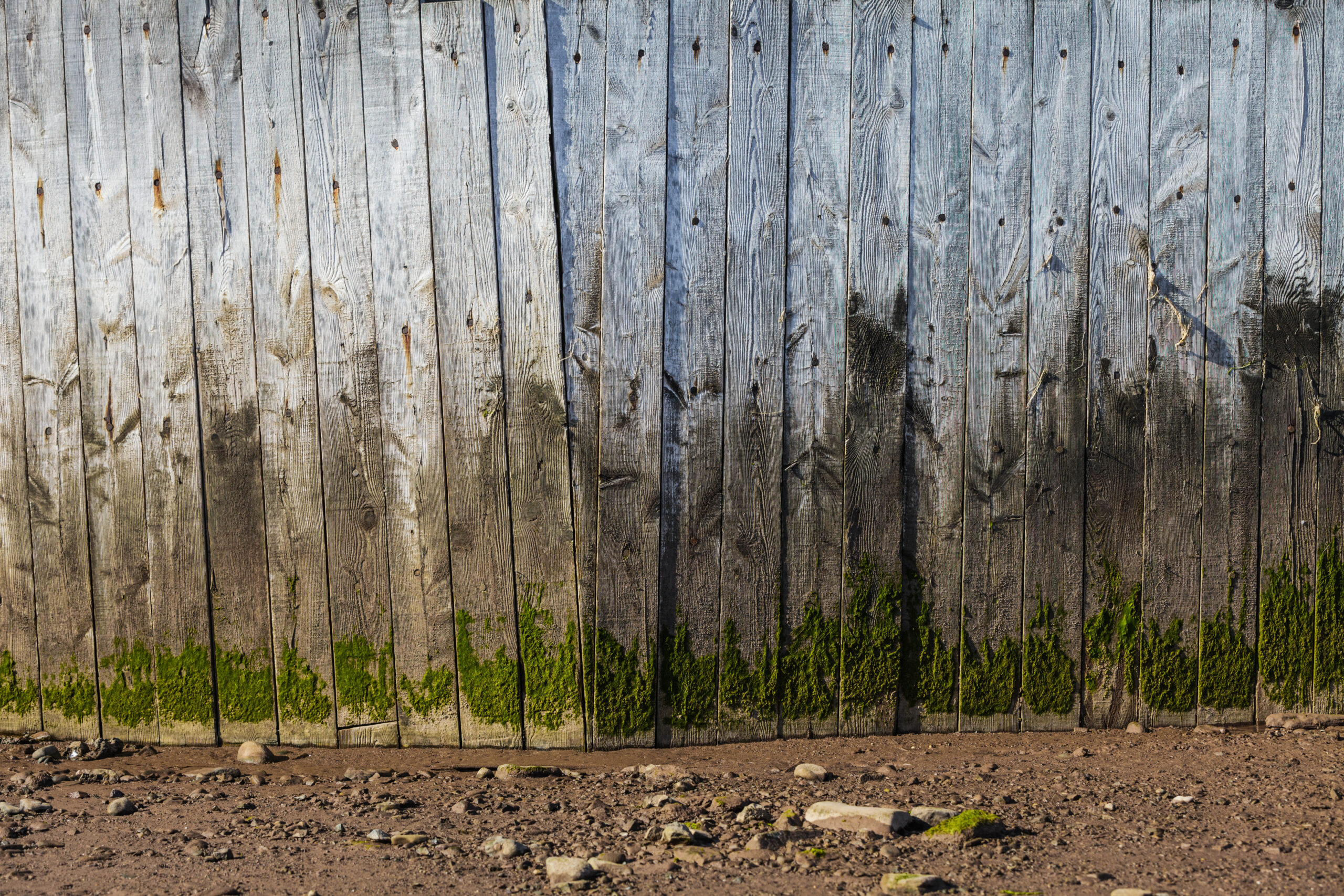
Replacement may be the better choice when problems appear across much of the fence. Common signs include widespread rot, rusted connections, unstable posts, and repeated gate failure.
A fence may also need replacement when it no longer serves the property. A short decorative fence may not meet new privacy needs. An old commercial system may lack the height, strength, or access control needed for current operations.
Frequent repair bills can add up. Replacing the fence may provide better value when crews keep fixing the same weak areas.
How does the sales process help owners decide?
A fence representative can review the current system and ask how the property is used. The owner should share concerns about upkeep, security, appearance, and budget.
The sales team can then compare repair costs with replacement options. For homeowners, residential fencing choices may include wood, vinyl, aluminum, or chain link. Each material has a different look and care level.
Businesses can explore commercial and industrial fencing built for active sites, controlled access, and demanding work areas.
A clear quote should define what will stay, what will be removed, and what the new work includes.
Why can custom manufacturing help during replacement?
Replacing a fence creates a chance to correct old layout problems. Custom panels can fit slopes or tight spaces. Gates can be built to match the actual opening and expected traffic.
The fabrication team can also match new sections to fencing that remains in place. This may allow a partial replacement when the rest of the system is still strong.
Good measurements are vital. They help reduce field cuts, wasted material, and rushed changes during installation.
What happens during professional fence replacement?
The crew first removes the agreed sections and checks the work area. Old posts, roots, or hidden grade changes may affect the new layout.
Before new holes are dug, buried utilities must be marked. 811 Before You Dig explains how to request markings before excavation begins.
Usable materials may sometimes be salvaged or recycled. The U.S. Environmental Protection Agency shares construction material reuse guidance for reducing waste during removal projects.
Professional installation helps the replacement fence stay straight, secure, and ready for daily use.
Frequently Asked Questions
Can one side of a fence be replaced?
Yes, if the remaining sections are stable and the new material can connect safely to the existing system.
Will a new fence follow the old layout?
It can, but the boundary and gate locations should still be reviewed before work begins.
Can a damaged gate be replaced without replacing the fence?
Often, yes. The nearby posts must be strong enough to support the new gate and hardware.
