


A new fence can improve privacy, security, safety, access, and appearance—but only when it is designed for the property’s actual needs. From manufacturing and product selection to professional installation, every stage affects how the fence looks and performs.
Here are answers to important questions homeowners and business owners should ask before beginning a fencing project.
What should you consider before purchasing a fence?
Start by identifying the fence’s primary purpose. A homeowner may want more backyard privacy, a secure area for pets, or a decorative boundary that complements the home. A business may need to protect equipment, control vehicle access, secure a storage area, or create a safer environment for employees and visitors.
Other factors include:
- Property size and terrain
- Desired level of privacy
- Maintenance requirements
- Local codes and HOA guidelines
- Number and location of gates
- Project budget
- Architectural style
- Long-term security needs
Answering these questions early helps a fence professional recommend an appropriate material and design.
Which materials are best for residential fencing?
There is no single material that works best for every home. Each option offers different advantages.
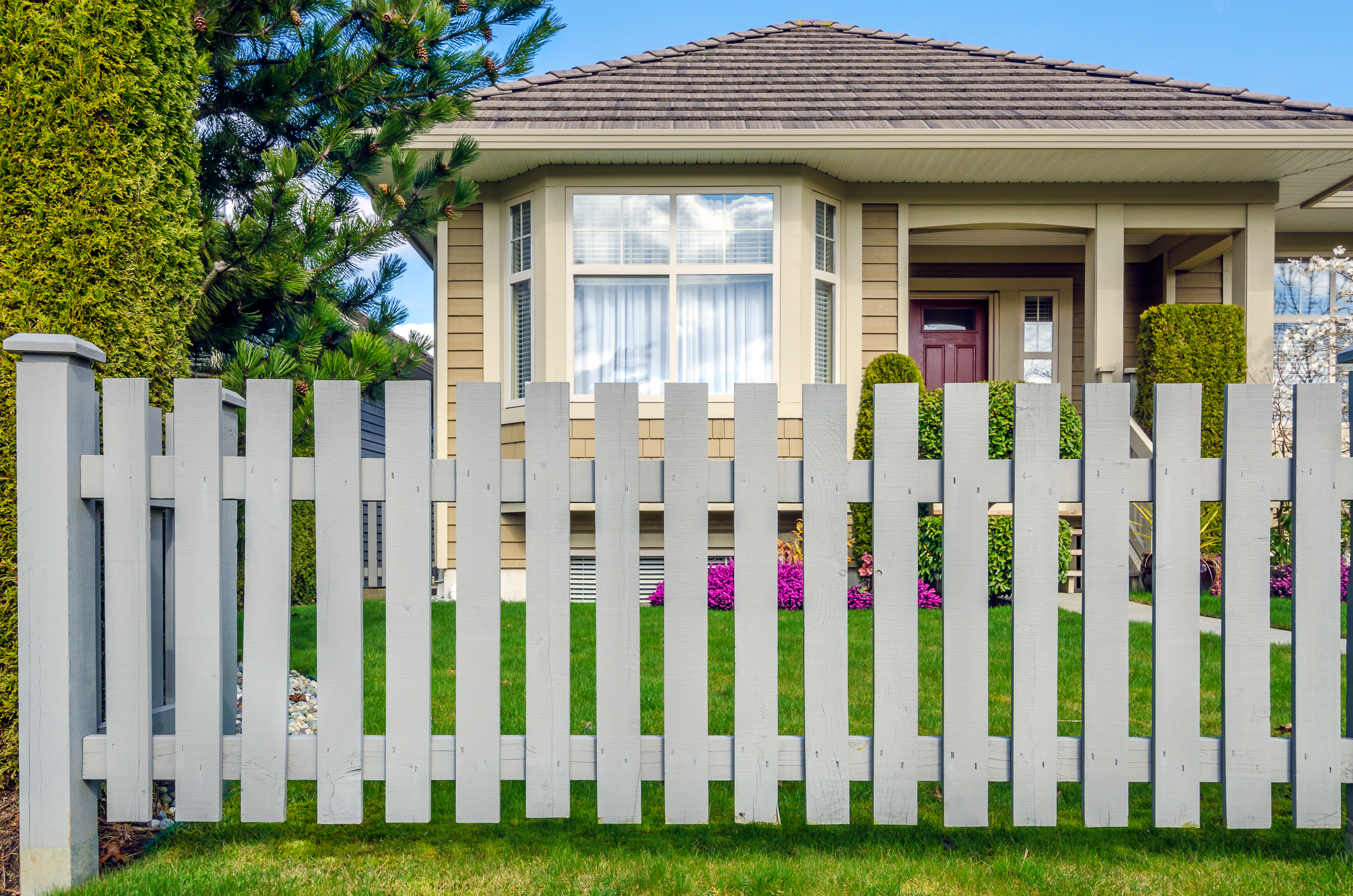
Wood fencing is popular for privacy and its traditional appearance. It can be configured in several heights and styles, making it a flexible choice for many backyards. Vinyl fencing offers a clean appearance without the need for regular painting or staining. Ornamental aluminum provides an elegant, open design and is often chosen for pools, front yards, and landscaped areas.
Chain link is another practical option. It provides dependable containment and security while preserving visibility. Homeowners can explore Gaston Fence’s available residential fencing options to compare materials and styles.
What should businesses look for in a fence?
Commercial properties usually need fencing that balances security with daily operations. A warehouse may require durable perimeter fencing and controlled vehicle gates, while a school or recreation facility may need attractive fencing that safely directs pedestrians.
Commercial systems can include chain link, ornamental steel or aluminum, security mesh, bollards, guardrails, equipment enclosures, and automated gates. Gaston Fence provides commercial and industrial fencing for businesses, municipalities, educational facilities, industrial sites, and high-security properties.
The right solution should account for traffic volume, operating hours, entry procedures, visibility, and potential security risks.
How does custom fence manufacturing improve a project?
Custom manufacturing allows fencing components to be designed around the property rather than forcing the property to accommodate standard sizes.
Panels, gates, and other components can be fabricated for specific openings, slopes, security requirements, and architectural details. This is especially valuable when a property has uneven terrain, wide entrances, unusual boundaries, or specialized access needs.
Manufacturing and installation teams can also coordinate dimensions and hardware before materials arrive at the site. This helps create a better fit and a more efficient installation process.
What happens during a professional fence consultation?
A consultation gives the customer and fence company an opportunity to review the project together. The representative may discuss property measurements, materials, fence height, gate placement, maintenance expectations, and budget.
For commercial projects, the consultation may also cover automated access, security levels, vehicle flow, safety requirements, and construction schedules.
A clear proposal should explain the selected materials, planned layout, installation requirements, and estimated cost. This allows the property owner to make an informed decision before work begins.
Why is professional installation worth the investment?
Professional installation affects the fence’s alignment, stability, gate operation, and overall lifespan. Experienced installers understand how to place posts, follow changes in elevation, account for drainage, and secure the different parts of the fence correctly.
Before excavation, underground utilities must be considered. The national 811 service allows property owners and contractors to request utility markings before digging begins.
Professional installers can also identify site conditions that may not be obvious during the initial planning stage.
How long should a quality fence last?
A fence’s lifespan depends on its material, installation quality, weather exposure, use, and maintenance. Properly installed vinyl and ornamental aluminum require relatively little ongoing care. Wood may need periodic cleaning, staining, or sealing, while metal fencing should be inspected for coating damage or corrosion.
The American Fence Association also provides educational information about fencing materials and professional industry practices.
Who can manage the entire fencing process?
Gaston Fence brings manufacturing, sales, and professional installation together for residential and commercial customers. Since 1965, the company has helped property owners find fencing systems that match their functional needs, preferred appearance, and long-term goals.
Contact Gaston Fence to discuss your property and receive help selecting a fence designed for lasting value.
